Uncategorized

Art of the Scalpel: Lessons from French Impressionism to Scientific Innovation
By: Tracey Pu M.D. The art of the scalpel extends past the operating room, with its influence on our patients’ lives extending beyond the hours spent underneath the fluorescent lights.. As surgeons, we are entrusted with the honor of healing our patients by our hand, both figuratively and literally. The privilege of saving a life is an art, and surgeons serve as artists in the most complex surgeries ranging from pancreaticoduodenectomies to thoracic aortic dissection repairs. However, in pursuit of scientific perfection, it is often easy for the art of medicine to fall to the wayside. Innovation is often born out of challenges against the status quo, and innovation remains paramount within the dichotomy of art and science. For example, amongst the most recognizable artists in the contemporary world are Claude Monet, Edward Degas, and Pierre-Auguste Renoir. The French Impressionists’ pastel impasto and fluid brushstrokes capturing sunlight dancing on water...
Learning to Lead Before I Felt Ready: A Medical Student’s Perspective
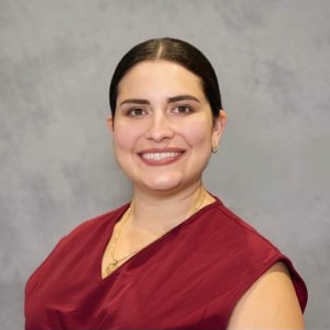
By: Valentina Montoya Franco, MS4 I didn’t step into leadership because I felt ready. If anything, I thought I needed more experience, more confidence, more proof that I belonged. That moment never really came, so I had no choice but to start anyway. My leadership journey didn’t begin in big roles. It started as a social media coordinator for student organizations during my basic science years. Later, I became Vice President of my school’s Latino Medical Student Association (LMSA) chapter, and later President of our Association of Women Surgeons (AWS) chapter. That was the role that changed my perspective on myself as a leader. I was surrounded by an incredible group of women, many of them Latinas like me, who supported, challenged, and inspired me daily. Together, we built something and because I was the President, I began to see my leadership qualities. When I transitioned into clinical rotations, I noticed something that was missing. Outside of clinical...

Second Acts: Embracing Surgery as a Career Changer
By: Vaisny Balamurali Starting medical school as a “mature” student, after navigating a successful career in healthcare strategy, was both humbling and unsettling. Rather than confidence, my prior experience fueled imposter syndrome and a sense that I needed to justify my presence. Walking away from a stable career with growth opportunities was not a decision I made lightly- I was advised against taking that leap. I knew this type of career change was extremely laborious and challenging but nonetheless my desire to provide direct patient care in a clinical setting was unwavering . The skepticism became most pronounced during my clerkship years, especially when I shared my interest in pursuing a surgical career. Some words of “wisdom” I received along the way: “Are you sure? What if you change your mind again? Surgery will cost you everything, and it might not be worth it!” During moments of exhaustion, I allowed...

Across the Pond: The Language of Healing
By Shreya Sankar I learned at a young age that medicine transcends the borders of culture and time. Growing up, our medicine cabinet teemed with remedies: Advil for headaches, ajwain seeds for stomach pains, NyQuil for flu symptoms, and eucalyptus oil for congestion relief. A beautiful melange of Eastern traditional and Western lab-based remedies. While languages and methods of treatment may differ, the core purpose of medicine endures: healing through human connection. This vision remained central as I began my medical studies -- 3700 miles away from Charlotte, North Carolina -- in Dublin, Ireland. My first few months in the Emerald Isle were a steep learning curve, as I adjusted to the pace of medical school, learning clinical skills, attending lectures, and, just as importantly, developing skill sets and vocabulary tailored to Irish healthcare. Theatre, instead of operating room. Consultant, instead of attending. General Practice, instead of primary care. As...

Beyond the Banners: The Quiet Cost of Pride
by Anthony Tannous, MD, FACS This is a special edition blog post presented in partnership with the Association of Out Surgeons and Allies in celebration of Pride Month. June bursts forth in a riot of color, a seemingly utopian vision of equality and dignity, often accompanied by a healthy dose of corporate branding. Around the Western world, joyful — and perhaps slightly inebriated — celebrants reclaim public spaces, belting pop anthems and radiating pure, unadulterated queer joy. This year, however, the glitter feels heavier, the music a little more poignant. The comfort and acceptance we’ve come to expect are under strategic, relentless attack. Bigotry has shed its hood and robe for tailored suits and eloquent speeches. It occupies podiums, commands microphones, and infiltrates mainstream podcasts. They begin, as always, with the most vulnerable: our trans siblings. But history, that unsparing teacher, reminds us that the target will inevitably widen to...

Developing a resource for breastfeeding surgeons- a learning experience for all
By Dr. Carly Clark I am embarrassed to say that until recently, I had no grasp of the demands of breastfeeding. Like most residents, I’ve struggled to keep up with the academic load, manage stress, and deal with personal life challenges amid a busy training program. Yet I have no experience with pregnancy or breastfeeding during this process. When asked to collaborate on a project aimed at breastfeeding surgeons, I was excited to help. I thought this would be a great way for me to learn more about transitioning from maternity leave back to work and accommodating a pumping schedule. As a Type A personality, I was ready to take notes and prepare myself for the future. Developing this project opened my eyes to just how many tasks a new mother, let alone a surgeon, must manage. As most of you reading this probably already know, surgeon mothers have unpredictable...

Navigating Uncertainty on Medical Mission Trips: Lessons in Adaptability and Patient Care
By Mindy Hong Murphy’s Law—“Anything that can go wrong, will go wrong”—has often resonated with me during my medical mission trips. Despite thorough preparation, unforeseen challenges inevitably arise. I’ve realized that, as medical students, we must embrace adaptability and flexibility to overcome these challenges and grow as future physicians. My experiences on two medical mission trips, one as a rising third-year and the other as a fourth-year medical student, have shaped my approach to patient care and broadened my understanding of global health. The Guatemala Mission: Building Clinical Confidence My first mission trip as a third-year medical student took me to Guatemala, where I would work clinically for the first time. I was eager yet uncertain, as each day brought new patient populations in various locations. Roles were fluid, and I found myself working as a pharmacy technician—far from what I anticipated but essential for understanding healthcare systems and team-based...

Navigating Professional Development Time: What Are My Priorities?
By: Ariana Naaseh, MD, MPHS Often the first thing I get asked by friends and family regarding residency is “So what year are you in now?” followed by “So what exactly are you doing?” These questions have heightened since entering professional development time in June 2023, as I’ve been much more present at gatherings. It’s challenging to explain exactly what goes on during these two years of professional and personal growth. One of my commitments to myself upon entering General Surgery residency was to not lose myself, and my core interests. Some days that proved to be easier than others. I had to be stringent in recognizing not only what truly mattered to me, but also what was feasible within the confines of clinical duties and rest. There were some major and minor sacrifices made while adjusting to a new life in a new city, learning how to live with...

Cultivating Hobbies Throughout Training: How our Passions Keep us Human
By Hannah Soltani Throughout training as a medical student, resident, fellow, or attending, we are all faced withincreasing responsibilities that make us feel as though there just aren’t enough hours in a day.The demanding journey often leads us to neglect our passions and interests outside of themedical field. In reality, our hobbies not only serve us as a means to manage stress but alsohelp us build better relationships and connect with patients and colleagues. After speaking withothers on this journey, here are a few tips that stuck with me: 1) Free time is your most valuable possession. Therefore, you must be stubborn with it.Just as you prioritize studying, rotations, and clinical practice, it is helpful to allocatededicated time toward your hobbies. Whether it is writing an extra page in your journal,playing an instrument you love, or playing sports with some friends, you can indulge inyour favorite activities by being disciplined...

Trauma-Informed Care Deserves a Stronger Spotlight in Surgery
By Sara Campbell, OMS-IV Trigger Warning: The following blog post contains mentions of sexual assault. A few months ago, I was catching up with one of my close friends when she told me about a recent experience at an oral surgeon’s office for an urgent root canal revision. “On the day of the surgery, I waited a long time in the operating room by myself. When the staff finally came in, they did not introduce themselves and basically moved in silence. I tried to explain that I have jaw pain to the doctor and staff, so I was concerned about it getting worse from the surgery, but they shrugged it off. Then, the doctor gave me the sleeping medicine without any warning, I passed out, then woke up by myself in a room with bloody gauze hanging out my mouth, where I was alone next to an exit for close...
