
Scrubbing Back In: Navigating the Return to Residency After Research Years
October 14, 2026
Authors: Elisabeth Abeles, MD
Returning to clinical rotations after one or even multiple research years can be both exciting and nerve-wracking. Here is a guide for navigating the challenges of transitioning from full-time researcher back to full-time resident.
1) Normalize feelings of uncertainty: We are all familiar with the feeling of continually pushing ourselves further. Returning after research is yet another period of time when we are thrown into the deep end whether or not we feel ready. In my first week returning from research, I found myself spending twice as long on my plans for consults as I would have before, double-checking guidelines I used to know by heart and rehearsing my presentation before calling my attending.
- Its ok to be nervous
- It’s ok to ask for help, and always the safer option if you are unsure!
2) Expect a Learning Curve: Remember, you have not “fallen behind”, you are simply transitioning to a different level of training that requires new and increasing skills.
- Acknowledge when you feel rusty, whether with operative skills, clinical decision-making, or even navigating efficiently around the hospital while trying to round on 30+ patients before 7am.
- Don’t be afraid to go back to the basics. Practice tying knots at home and between cases. Review steps to procedures you felt comfortable with prior to research.
- So much of being a good surgeon is having humility. This is a chance to stay humble and identify areas where you may need more work.
3) Leverage your Newfound Strengths from Research: You now get to be a resident with a refined ability to synthesize data, think critically, and learn efficiently.
- As you become a more senior resident and eventually a chief, draw on ways you stayed organized and managed projects and teams during your research year(s).
- Use your improved skills in evaluating literature when teaching, presenting, and thinking critically about patients.
- Find ways to keep up with literature while being clinically full-time, whether it is reading between cases, or using post-call days to catch up on literature or finish manuscripts.
4) Reconnect with Your Community: Remember you are never alone.
- Reconnect with co-residents before you start back to your clinical duties.
- Reach out to chiefs who have been through this transition to ask for their tips and support.
- Identify mentors who can help you navigate when things get tough.
5) Be Kind to Yourself and Those Around You: You just invested immensely in your academic career by taking dedicated research time.
- Be patient with yourself.
- Celebrate small wins. Getting through a tough case, teaching a medical student, or surviving a 24 hour shift are all wins that count.
Returning to clinical residency can feel overwhelming and may even feel like starting over, but it is actually a chance to integrate your academic and clinical skills. If you can focus on being comfortable with being uncomfortable, and on being both patient and kind to your patients, your team, and yourself, everything else will fall into place.
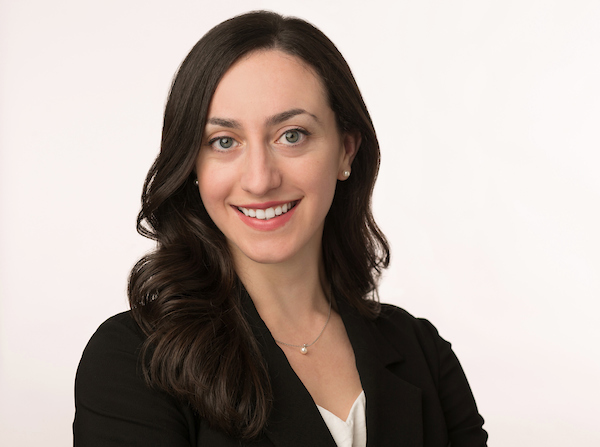
Elisabeth Abeles is a general surgery resident at Beth Israel Deaconess Medical Center. She received her Bachelor of Arts from Cornell University, went to medical school at the Johns Hopkins School of Medicine and completed her professional development period at UCSF in the Lobular Breast Cancer Research Program. She is a member of the AWS Resident and Fellows Committee and enjoys mentoring medical students.